
























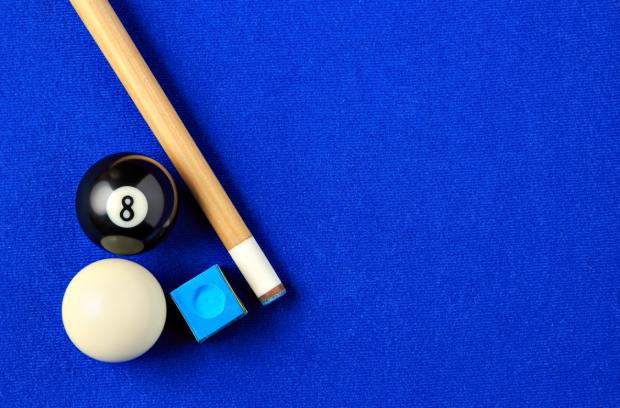
The material of your pool cue dramatically affects how you play. From the classic feel of hardwood to the modern precision of composite materials, each option brings distinct characteristics to your shots. Understanding these differences helps you find the perfect cue that matches your playing style and skill level. Continue reading to explore the various materials used in pool cue creation.
Maple Wood: The Gold Standard for Players
Maple dominates the pool cue industry for good reason. This hardwood offers exceptional consistency in grain structure, which translates to predictable ball control and accurate shots. Professional players favor maple because it provides excellent feedback through vibrations, allowing them to feel exactly how they struck the ball.
The wood’s natural density creates a solid hit while maintaining flexibility. Maple cues typically weigh between 18 and 21 ounces, giving players the perfect balance of power and control. Most tournament-grade cues feature maple shafts, making this material the benchmark for serious players.
Ash Wood: Distinctive Grain Meets Superior Stiffness
Ash wood brings a unique visual appeal with its pronounced grain patterns and slightly stiffer feel compared to maple. This European hardwood transfers energy efficiently from cue to ball, resulting in powerful shots with minimal effort. The pronounced grain creates natural flex points that many players find advantageous for draw shots and spin.
Players who prefer a more rigid cue often gravitate toward ash. The wood’s density varies more than that of maple, which some advanced players use to their advantage by selecting cues with specific grain patterns that complement their stroke mechanics.
Exotic Woods: Beauty Meets Performance
Ebony and rosewood represent the premium end of pool cue materials. Ebony’s extreme density creates an incredibly solid feel, while its jet-black appearance makes stunning visual contrasts in cue design. Rosewood offers rich chocolate tones with excellent playing characteristics similar to maple but with added weight.
These exotic materials cost significantly more than traditional woods, but they deliver unmatched durability. A well-maintained ebony or rosewood cue can last generations while maintaining its playing characteristics. Many custom cue makers reserve these materials for their finest work.
Modern Composite Materials: Engineering Meets Tradition
Fiberglass and graphite cues revolutionize the traditional approach to cue construction. These materials resist warping, cracking, and environmental changes that affect wooden cues. Carbon fiber shafts provide incredibly consistent hits because the material maintains uniform stiffness throughout the entire length of the shaft.
Professional players are increasingly experimenting with composite materials, particularly carbon fiber shafts paired with wooden butts. This combination delivers the familiar feel of wood with the consistency of modern engineering. Choosing the right pool cue often involves striking a balance between traditional feel and modern performance benefits.
Finding the perfect cue material depends on your playing style, budget, and personal preferences. Whether you prefer the classic response of maple, the distinctive character of ash, or the cutting-edge performance of composites, each material offers unique advantages that can elevate your game to the next level.