



















Building a model railroad is an exciting and rewarding hobby, but it requires careful planning and thoughtful decision-making. When you focus on the key considerations involved, you can create a layout that functions smoothly and brings your vision to life. From space allocation to track length, there are numerous considerations to make for your model railroad so you can craft the perfect setup that combines creativity, reliability, and long-term enjoyment.
Plan Your Available Space Carefully
The first step in building your model railroad is determining how much space you have available. Whether you’re dedicating an entire room or just a corner, you must adapt your layout to fit. Take accurate measurements of the area, and think about whether your layout will remain stationary or need to be portable. Opting for modular table setups can offer flexibility, especially if space is limited. Make sure to leave enough room for maintenance and movement around the setup so you can access any part of the layout when repairs or adjustments are necessary.
Consider Track Length and Configuration
Your choice of track length directly impacts your layout’s functionality and appearance. Longer tracks provide more room for intricate designs and longer train operations, while shorter tracks suit layouts with space restrictions. It’s important to think about how much track you need for your model railroad layout so you can prevent performance issues such as derailments or uneven operation. Strive for a balance between operational complexity and reliability. For realistic and smooth operation, make sure to follow proper guidelines for gradient changes and curve radii.
Focus on Realistic Scenery
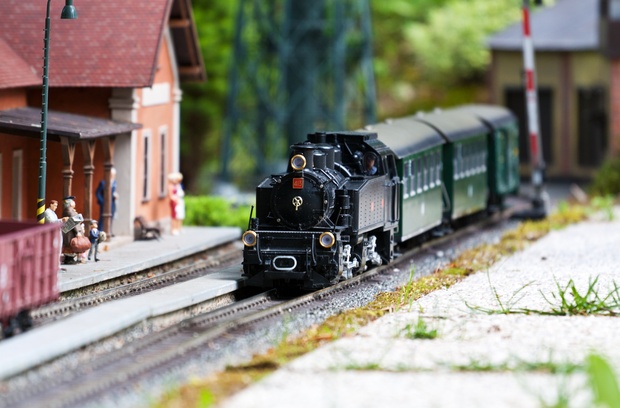
Adding detailed scenery to your model railroad elevates its visual appeal. Incorporate elements such as landscaping, buildings, roads, and vegetation to create a lifelike environment for your trains. Start with a rough geographical concept—mountainous terrain, urban settings, or scenic countryside—and expand from there.
Pay attention to scale accuracy to ensure that your scenery proportions match your chosen scale, offering a cohesive and immersive experience. Well-executed scenery creates a sense of authenticity and enhances the enjoyment of your model railroad.
Incorporate Long-Term Flexibility
Your interests and layout goals may evolve over time, so design with flexibility in mind. Create sections of the railroad that you can update or expand without dismantling the entire setup. Opt for modular track configurations that allow you to swap out parts of the design or add new elements later. Keep future upgrades in mind when selecting control systems, as certain types may limit your options down the road. When you build a layout that can adapt to change, you can continue enjoying your model railroad hobby for years to come.
Consider these factors for your model railroad, and you will see that it’s a hobby that rewards patience, creativity, and planning. Each decision carries weight, but with thoughtful consideration, you can create a railroad that reflects your vision and provides endless enjoyment. Take the plunge, commit to your plans, and watch your model railroad come to life.