




















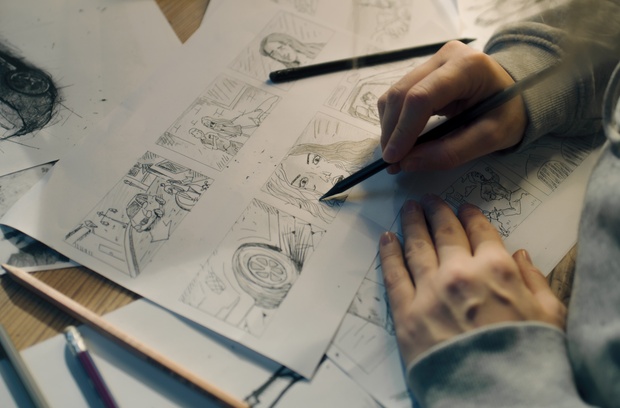
Diving into the world of comic book creation is thrilling—but it’s also a creative minefield. From story missteps to design blunders, there are plenty of mistakes to avoid when writing your first comic book. Whether you’re crafting an intricately woven saga or a quick-hit comedy, dodging certain pitfalls will be vital to finishing the project.
Below, we’ll talk about the most common errors and how to sidestep them so that your debut comic fully tells the story you have playing in your head.
Weak Foundations Lead to Weak Stories
A wobbly foundation ruins even the most dazzling ideas. Skipping the outlining process is a rookie move. Without a solid roadmap, your characters might wander aimlessly, or your story could fizzle out at page 10. Plunge into your plot like a seasoned spelunker—explore the dark corners, check for dead ends, and figure out where each twist fits. A strong blueprint will save you countless headaches later.
Forgetting the Visual Medium
People read comics because they want stunning visuals paired with compelling text. Oversaturating your pages with dialogue can smother the artwork, turning your story into a tedious wall of words. Balance the art and the dialogue effectively, and don’t hesitate to make serious changes as the comic develops.
Bypassing the Criticism Process
Going solo might sound heroic, but it’s a surefire way to miss hidden flaws. Assemble a trusted circle to tear into your work like a gourmet meal. As a creative, knowing how to give and receive constructive criticism will be crucial. Think of your trusted proofreaders as co-workers—the aim of their feedback isn’t to ruin your vision but to contribute to a stronger final product. Editing improves everything, so don’t fear a few red marks. They’ll polish your comic into something you’ll be proud of.
Ignoring Pacing and Flow
It’s tempting to shove every idea you’ve had since kindergarten into your debut. After all, you’re a storyteller, and you’re likely brimming with ideas. However, an overloaded story can feel like a cluttered room, leaving readers with a headache instead of delight. Introduce ideas with care, and maintain a rhythm that makes readers eagerly flip the pages while absorbing the turns at a steady pace. Silence on a single panel can sometimes scream louder than five busy pages.
Brainstorming Success
Launching your first comic is no small feat, and getting it wrong can feel like sticking the landing face-first. Avoid these rookie mistakes when writing your first comic book, like neglecting foundational planning, drowning visuals in unnecessary words, or skipping critiques. By carefully crafting your script and respecting the art form, you’re setting yourself up for a title fans will line up to read. The key is staying open, patient, and ready to learn as you go.