






















There’s something unbeatable about holding a beautifully printed comic; the weight in your hands, the texture of the pages, the richness of the colors. Achieving truly premium comic print quality is about the subtle production choices that shape the entire reading experience, not just flashy covers.
Here’s what separates a standard print run from a comic that feels genuinely high-end.
Paper Weight and Texture
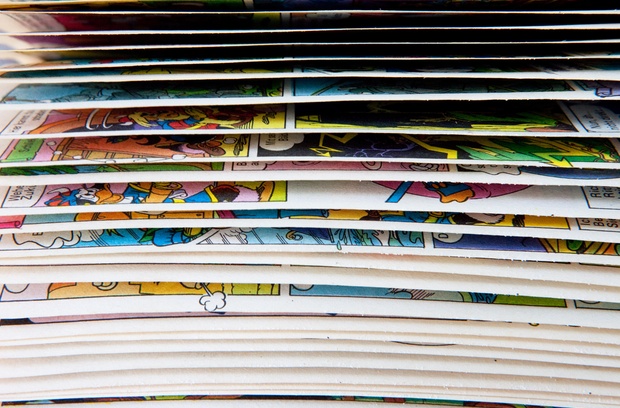
Paper is a major focus of comic production. Thicker interior pages prevent ink bleeding, add color depth, and create a sturdier, more satisfying page turn. Lighter paper can feel flimsy, while heavier stock adds structure and durability.
For inkjet-based home or small-batch printing, understanding paper weight matters even more. While large publishers rely on commercial presses and standardized stock, indie creators and small teams often must make these decisions themselves.
Heavier stocks for inkjet printing, like 24lb paper, are often preferred because they better support color saturation and reduce show-through. Learning the technical reasoning behind that choice can make a noticeable difference, especially when refining overall print quality.
Texture also plays a role. Glossy finishes enhance vibrant superhero palettes, while matte paper complements moody noir or indie storytelling styles.
Color Depth and Ink Saturation
Premium comics look colorful and intentional. Deep blacks, smooth gradients, and consistent saturation all contribute to a professional finish.
Higher-quality paper holds ink more effectively, preventing dullness or feathering. This is especially noticeable in shadow-heavy scenes or splash pages packed with detail. When ink sits properly on the page, linework appears sharper and artwork feels more dimensional.
Binding and Durability
Stapled saddle-stitch is common for single issues, but the execution still matters. Clean folds, tight staples, and precise trimming elevate their presentation.
For collected editions, perfect binding or sewn spines increase longevity and add weight—literally and psychologically. A solid spine and aligned edges subtly signal craftsmanship.
Readers may not consciously analyze binding, but they absolutely notice when it’s done well.
Cover Stock and Finish
The cover is the first handshake between the comic and the reader. Thicker cover stock protects interior pages and contributes to that coveted “premium” feel. Add-ons like spot UV, embossing, foil stamping, or soft-touch lamination amplify the sensory impact.
However, restraint is key. A thoughtfully chosen matte finish can feel just as high-end as metallic foil, and sometimes more so.
The Psychology of Physical Media
Premium comic print quality is, in part, a matter of perception. Heavier paper, richer blacks, and sturdy construction create a sense of permanence. It feels collectible, displayable, and worth revisiting.
In an era where digital comics are more accessible than ever, premium print editions stand out by offering something screens can’t replicate: texture, weight, and tangible craftsmanship. When those production details align, the result is an object fans want to keep.